Prefabricated buildings have evolved from simple temporary structures into high-performance spaces that support modern living, work, and storage needs. As demand increases for faster construction, cost-efficient solutions, and sustainable alternatives, prefabricated buildings are quickly becoming the preferred choice for homeowners, businesses, and industrial projects. Their growth is driven by innovation, precision engineering, and the ability to adapt to diverse applications—from backyard studios to full-scale commercial buildings.
In today's fast-paced world, time, flexibility, and durability are non-negotiable. Prefabricated buildings address all three by offering a construction method that is not only reliable but also incredibly efficient. Whether you’re planning a home office, workshop, equipment room, or workforce housing facility, prefabricated structures provide a streamlined path from concept to completion.
Why Prefabricated Buildings Are Transforming Modern Construction
The shift toward prefabricated buildings is no coincidence—it’s a response to major challenges in the traditional construction industry. These buildings are created in controlled factory environments, ensuring consistency, structural integrity, and reduced waste. Once manufactured, the components are transported and assembled on-site, significantly speeding up the installation process.
Homeowners and businesses appreciate the transparency this method offers. Instead of dealing with unpredictable timelines, weather delays, or fluctuating on-site labor availability, prefabricated construction allows for better planning and predictable delivery.
Faster Construction Without Compromising Quality
Speed is one of the biggest advantages of prefabricated buildings. A structure that could take months to build with conventional methods can often be assembled in days once materials arrive on-site. This efficiency is achieved because most work is completed indoors, where production isn’t affected by rain, heat, or seasonal interruptions.
Yet fast doesn’t mean fragile. Prefabricated buildings are engineered with precision, using high-quality materials that meet strict safety and durability standards. This ensures structural strength comparable to—or even stronger than—traditional construction.
Cost-Effective Solutions for Every Industry
Affordability is another key factor driving the popularity of prefabricated buildings. Manufacturing components offsite reduces labor costs, waste, and material overruns. The controlled environment keeps pricing stable, helping buyers stay within budget.
Industries that benefit include:
Residential housing
Educational facilities
Industrial storage units
Corporate offices
Agricultural structures
Remote workforce accommodations
Canadian Portable Structures offers customizable solutions that align with both budget and functionality, making prefabricated buildings accessible to diverse sectors.
Energy-Efficient and Environmentally Friendly
Sustainability is no longer optional—it’s essential. Prefabricated buildings are designed with energy efficiency in mind. Insulated panels, airtight construction, and sustainable materials significantly reduce energy consumption. The reduced waste from factory conditions makes this building method far more eco-friendly than traditional construction.
Additionally, many prefab designs are optimized to improve heating and cooling efficiency, lowering long-term utility costs.
Customizable Designs for Modern Needs
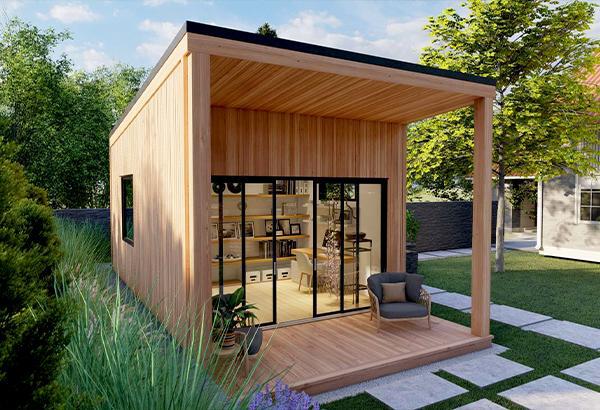
Gone are the days when prefabricated buildings looked generic. Today, customization is one of their strongest advantages. Clients can choose from various layouts, wall systems, colors, floor finishes, and door or window configurations.
Whether you need:
A backyard art studio
A retail store
A portable workshop
A multi-room office
A climate-controlled storage unit
Prefabricated buildings adapt effortlessly to specific requirements. The flexibility to modify designs makes them ideal for changing business needs or future expansions.
Strong, Safe, and Built to Last
Durability is critical, especially in regions facing extreme temperatures, heavy rainfall, or strong winds. Prefabricated buildings are engineered to withstand tough conditions and maintain structural stability over time.
High-quality insulation, steel framing, and weather-resistant exteriors ensure these buildings perform exceptionally well in residential, commercial, and industrial environments. When properly maintained, they can last decades with minimal upkeep.
Perfect for Remote and Hard-to-Access Locations
Constructing a traditional building in remote areas can be costly and time-consuming. Prefabricated buildings solve this challenge by allowing components to be shipped and assembled quickly, even in locations lacking infrastructure.
Mining sites, agricultural farms, military facilities, and research camps often rely on prefab structures because they offer reliable shelter without requiring full-scale construction teams or heavy machinery on-site.
Minimal Disruption and Quick Installation
Traditional construction can disrupt daily life with noise, dust, and long-term activity on the property. Prefabricated buildings reduce this disturbance significantly. Most of the work is already done before materials arrive, ensuring faster installation and less interference with nearby homes or businesses.
This is especially valuable for homeowners adding a backyard studio or businesses expanding their workspaces while remaining operational.
A Smart Long-Term Investment
Prefabricated buildings offer exceptional long-term value. Their energy efficiency, durability, and low maintenance requirements ensure that users save money year after year. The ability to relocate or expand many prefab structures makes them an even more attractive investment compared to conventional buildings.
With solutions offered by companies like Canadian Portable Structures, buyers receive high-quality construction backed by expert craftsmanship and reliable support.
Frequently Asked Questions
How long does it take to install a prefabricated building?
Most prefabricated buildings can be installed in a few days to a few weeks, depending on the size and complexity of the design.
Are prefabricated buildings durable enough for long-term use?
Yes. They are engineered to meet strict structural standards and are built using high-quality materials, making them suitable for long-term residential, commercial, and industrial use.
Can prefabricated buildings be customized?
Absolutely. Clients can choose layouts, colors, insulation types, doors, windows, and interior finishes to match their specific needs.
Are prefabricated buildings more affordable?
Generally, yes. Reduced labor, fewer delays, and efficient factory production make them cost-effective without compromising quality.
Do prefab buildings require special maintenance?
Maintenance needs are minimal—similar to any standard structure. Basic upkeep like cleaning, occasional inspections, and ensuring proper ventilation is usually enough.
Can prefabricated buildings be relocated?
Many prefab structures are designed to be portable, allowing owners to dismantle and move them as needed, especially in commercial or industrial applications.
Conclusion
Prefabricated buildings have become a powerful solution for anyone seeking faster construction, long-term durability, and cost-effective space without compromising quality. As modern demands evolve, these structures are proving their value across residential, commercial, and industrial applications. Their ability to offer customization, energy efficiency, and quick installation makes them a standout choice for homeowners, entrepreneurs, and large organizations alike.
Whether you need a flexible workspace, a reliable storage unit, or a fully equipped facility, prefabricated buildings deliver unmatched convenience and performance. With growing innovation in design and engineering, the future of construction is clearly moving toward smarter building methods—where speed, strength, and sustainability work together. This is exactly where prefabricated buildings excel, making them an investment that continues to pay off for years to come.