
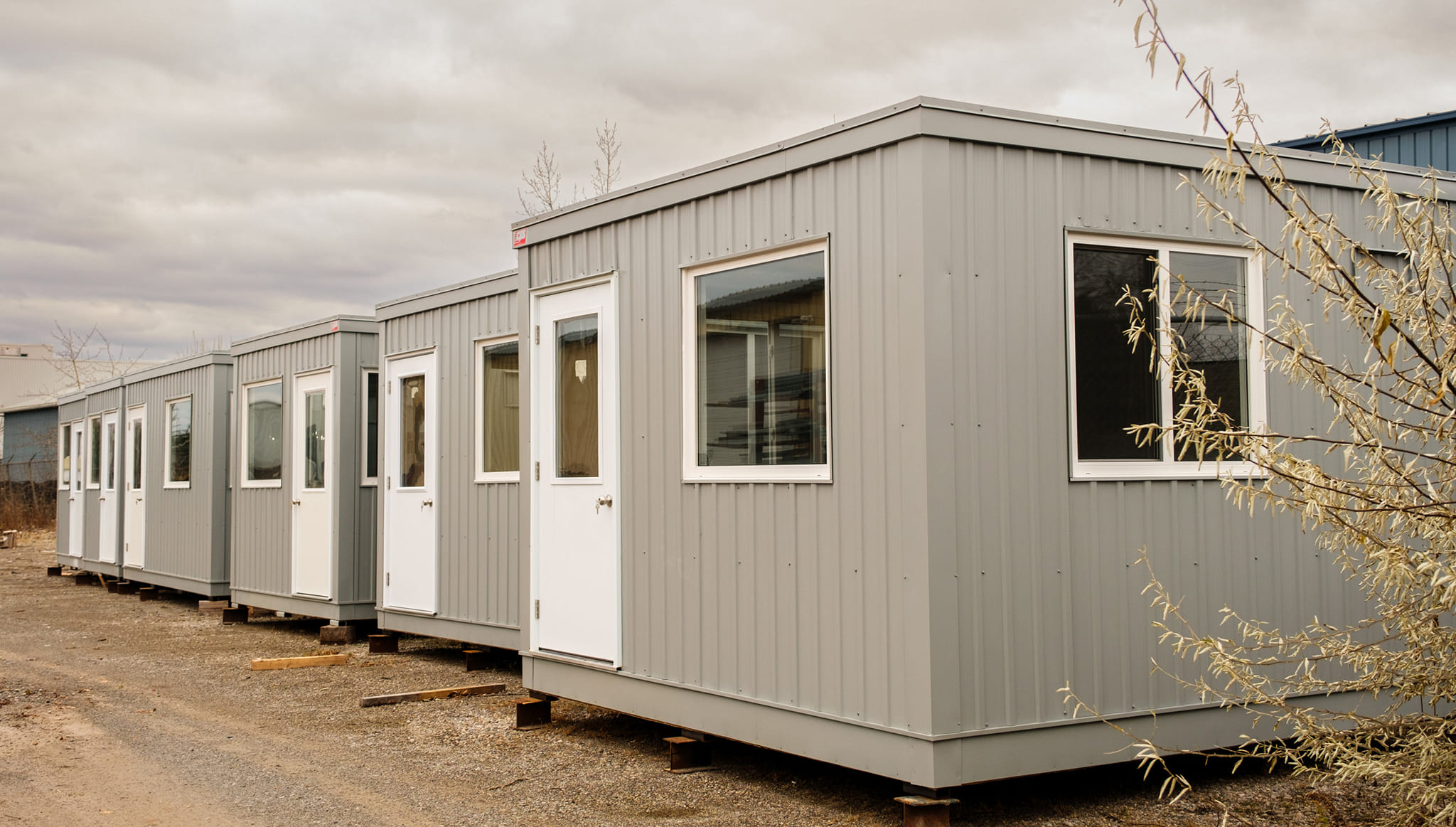
In recent years, prefabricated buildings have revolutionized the construction industry, offering faster, smarter, and more sustainable solutions for residential, commercial, and industrial applications. As urban spaces expand and the demand for cost-efficient infrastructure grows, prefabrication is rapidly becoming the go-to choice for builders, architects, and developers seeking modern construction efficiency.
What Are Prefabricated Buildings?
Prefabricated buildings, also known as modular or prefab structures, are constructed off-site in controlled factory environments, then transported and assembled at the final location. This process ensures precision, quality control, and reduced construction time compared to traditional building methods. Each component — from walls and floors to roofing systems — is pre-engineered to exact specifications, minimizing material wastage and human error.
The concept combines innovation, engineering, and sustainability, making it a perfect solution for today’s fast-paced world. Prefabricated buildings are used across diverse sectors, including housing, offices, educational institutions, healthcare, retail, and industrial storage solutions.
Why Prefabricated Buildings Are Gaining Popularity
The rise of prefabricated buildings is driven by technological advancement, sustainability demands, and the need for affordable construction alternatives. With the integration of smart design software, automation, and AI-driven manufacturing, prefab structures now offer unmatched versatility and precision.
Here are key reasons why prefabricated buildings are reshaping the construction landscape:
Speed and Efficiency – Since most of the work occurs in a factory, construction timelines are drastically shortened. Projects that might take months with traditional methods can be completed in weeks.
Cost-Effectiveness – Controlled production reduces labor costs, material waste, and delays, resulting in significant cost savings for both contractors and clients.
Sustainability – Prefabrication aligns with green construction principles. The use of recyclable materials, energy-efficient manufacturing, and minimal on-site waste makes it an eco-friendly alternative.
Design Flexibility – Contrary to old misconceptions, modern prefab buildings are highly customizable. From sleek office pods to luxury homes, the design possibilities are endless.
Quality Assurance – Building components are manufactured under stringent quality standards, ensuring durability and consistency across all structures.
The Role of Technology in Prefabrication
Advanced technologies like Building Information Modeling (BIM), 3D printing, and AI-powered design tools are pushing the boundaries of prefabrication. These innovations allow engineers and architects to simulate, test, and optimize structures before assembly, enhancing safety and performance.
Moreover, the integration of smart sensors, energy-efficient systems, and automation in prefab modules ensures buildings are not only sustainable but also future-ready. Prefabrication bridges the gap between traditional craftsmanship and modern innovation.
Applications of Prefabricated Buildings
Prefabricated structures are no longer limited to temporary or low-cost solutions. Today, they’re found in every sector:
Residential: Modular homes, tiny houses, and backyard studios offer affordable housing options without compromising on aesthetics.
Commercial: Prefab offices, retail spaces, and restaurants can be deployed quickly to meet business expansion demands.
Industrial: Warehouses, storage units, and workshop buildings use prefab technology for cost-effective scalability.
Institutional: Schools, hospitals, and government buildings benefit from reduced downtime and faster delivery schedules.
Whether you need a compact garden studio or a large industrial warehouse, prefabricated buildings deliver efficiency and reliability that traditional construction methods struggle to match.
Environmental and Economic Impact
One of the most remarkable aspects of prefabrication is its positive environmental footprint. The controlled production environment minimizes waste generation and optimizes material usage. Energy consumption is lower, and fewer on-site disruptions occur during assembly.
Economically, prefabricated construction supports job creation in the manufacturing sector while reducing on-site labor requirements. This balance helps stabilize project costs and contributes to more predictable budgets — an essential factor for developers and investors.
Prefabricated Buildings and Urban Development
As cities face growing population pressures and limited space, prefabricated construction offers a scalable solution for urban development. Multi-story modular buildings, container homes, and hybrid structures are becoming common in urban centers. The adaptability of prefabrication allows for easy expansion and relocation — crucial for evolving cityscapes.
With local governments and private sectors emphasizing sustainability, prefabricated buildings align perfectly with urban planning strategies focused on smart growth and reduced carbon footprints.
Why Businesses Choose Prefabricated Solutions
For businesses, time is money. Every day of construction delay can mean lost opportunities. Prefabricated buildings solve this problem by reducing construction timelines while ensuring high-quality standards.
Moreover, prefab structures are relocatable and adaptable, giving businesses the freedom to expand or modify their infrastructure with minimal downtime. This level of flexibility has made prefabrication a preferred choice for startups, remote offices, and temporary facilities.
The Future of Prefabrication
The future of prefabricated buildings is bright, with the industry evolving toward fully digital, AI-assisted manufacturing. As consumer demand for sustainability and energy efficiency grows, prefab solutions will continue to dominate the market.
New materials such as cross-laminated timber (CLT), recycled steel, and 3D-printed concrete are making prefab buildings more durable and eco-friendly. Additionally, advancements in smart design and IoT integration are transforming these buildings into intelligent spaces that respond to user needs.
Choosing the Right Prefabricated Building Partner
When selecting a prefabricated building supplier, look for one that emphasizes innovation, precision, and sustainability. A trusted name like Canadian Portable Structures ensures every project meets the highest quality and safety standards, offering both standard and custom prefab solutions tailored to client needs.
Their expertise in modular construction and dedication to client satisfaction make them a leading choice for those looking to embrace the future of prefab design.
Frequently Asked Questions
Q1. Are prefabricated buildings durable?
Yes. Prefabricated buildings are designed with precision and high-quality materials that meet or exceed traditional construction standards. With proper maintenance, they can last decades.
Q2. Can prefab buildings be customized?
Absolutely. Modern prefab designs are highly customizable in terms of layout, size, color, and finishes to suit both residential and commercial needs.
Q3. How long does it take to build a prefabricated structure?
Depending on the size and complexity, most prefab projects can be completed in a fraction of the time required for traditional builds — often within a few weeks.
Q4. Are prefabricated buildings environmentally friendly?
Yes. Prefabrication minimizes waste, reduces on-site pollution, and supports energy-efficient design, making it a sustainable building solution.
Q5. What are the maintenance requirements for prefab buildings? Maintenance is minimal. Regular inspections and minor upkeep of joints, panels, and seals ensure long-term performance and durability.
Final Thoughts
Prefabricated buildings are more than just a construction trend — they’re the foundation of modern architecture and sustainable development. With unparalleled speed, flexibility, and efficiency, these structures redefine how we think about building design and functionality.
From residential homes to large commercial complexes, the advantages of prefabricated construction continue to shape the world’s architectural future — one module at a time.