Prefabricated offices are transforming the way companies build and expand their workspaces. Whether used for construction sites, industrial facilities, educational campuses, or commercial environments, prefab office buildings provide a fast, cost-effective, and highly adaptable solution compared to traditional construction.
Modern businesses need flexible infrastructure that can keep up with changing demands. Prefabricated offices meet this need by offering quick installation, customization, and long-term durability without the delays associated with conventional building methods.
What Are Prefabricated Offices?
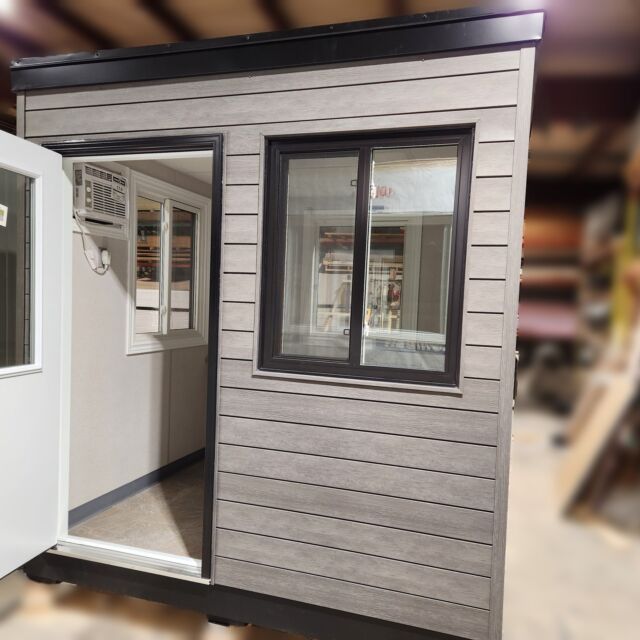
Prefabricated offices are modular structures built in a factory and then transported to the site for installation. These buildings are constructed using pre-manufactured components such as walls, floors, roofs, and structural frames, which are assembled quickly once delivered.
Because most of the construction takes place in a controlled environment, prefab offices offer better quality control, reduced waste, and faster completion times.
According to Canadian Portable Structures, prefabricated buildings are designed to be durable, customizable, and energy-efficient, with fast installation and long service life.
Why Businesses Choose Prefabricated Offices
1. Rapid Installation and Deployment
One of the biggest advantages of prefabricated offices is speed. Since modules are manufactured off-site while groundwork is prepared, projects can be completed much faster than traditional construction.
In many cases, prefab site offices can be installed within weeks instead of months, reducing downtime and accelerating project timelines.
2. Cost-Effective Construction
Prefab offices significantly reduce labor costs, material waste, and unexpected expenses. Factory-based production improves efficiency and helps maintain predictable budgets.
Some modular office projects can lower overall costs by 20–25% compared to traditional buildings.
3. Flexible and Scalable Design
Prefabricated offices are modular, meaning they can be expanded, reduced, or relocated as business needs change.
Modules can be stacked, joined, or rearranged to create various layouts, from small offices to large complexes.
4. High Quality and Durability
Factory construction allows for precise manufacturing and consistent quality control. This leads to better structural integrity and longer-lasting buildings.
Modern prefab offices use materials like steel frames and insulated panels, making them suitable for long-term use and harsh weather conditions.
5. Sustainable and Eco-Friendly
Prefabricated construction produces less waste and uses materials more efficiently than traditional methods.
The controlled factory environment also allows for better recycling and reduced environmental impact.
Common Uses of Prefabricated Offices
Prefabricated offices are used across a wide range of industries because of their versatility and quick setup.
Construction Site Offices
Temporary offices for project managers, engineers, and administrative staff.
Industrial and Warehouse Offices
In-plant offices that provide workspace within manufacturing or storage facilities.
Educational and Training Facilities
Portable classrooms and training rooms for schools and institutions.
Commercial and Corporate Offices
Permanent or semi-permanent office buildings for businesses.
Remote and Temporary Workspaces
Backyard offices, guardhouses, or field offices for remote operations.
Key Features of Modern Prefabricated Offices
Modern prefab offices are designed for comfort, efficiency, and professional functionality. Typical features include:
Insulated wall and roof panels
Pre-installed electrical and HVAC systems
Energy-efficient windows and doors
Custom interior layouts
Noise-reduction options
Easy relocation and reassembly
These features allow prefab offices to deliver the same comfort and performance as traditional buildings while maintaining the advantages of modular construction.
Advantages of Choosing Prefabricated Offices
Here is a quick summary of the main benefits:
Faster project completion
Lower construction and labor costs
Flexible and scalable design
High-quality, durable materials
Reduced environmental impact
Easy relocation and reuse
Minimal site disruption
These advantages make prefab offices ideal for businesses that need efficient and adaptable workspace solutions.
Industries That Benefit Most from Prefabricated Offices
Many sectors rely on prefab offices due to their flexibility and speed:
Construction and infrastructure
Manufacturing and logistics
Oil and gas
Mining
Education
Healthcare
Government and public services
Prefabricated buildings are widely used across industries because of their cost savings, safety, and quick occupancy.
How to Choose the Right Prefabricated Office
When selecting a prefab office, consider the following factors:
Size and Layout
Choose a design that fits your team size and operational needs.
Intended Use
Determine whether the office will be temporary, semi-permanent, or permanent.
Customization Options
Look for options such as partitions, meeting rooms, or storage areas.
Climate and Insulation
Ensure the building is designed for your local weather conditions.
Mobility Requirements
If you plan to relocate the office, choose a modular or portable design.
Future Trends in Prefabricated Office Design
Prefabricated offices are evolving with new technologies and sustainable practices. Key trends include:
Smart office integrations
Solar-ready modular structures
Advanced insulation systems
Multi-story modular office buildings
Hybrid prefab-traditional construction models
These innovations are making prefab offices more attractive for long-term commercial use.
Conclusion
Prefabricated offices offer a modern solution for businesses seeking speed, flexibility, and cost efficiency. With fast installation, customizable designs, and durable materials, prefab offices provide a practical alternative to traditional construction.
Whether used as temporary site offices or permanent commercial spaces, prefabricated offices help organizations adapt quickly while maintaining professional, comfortable work environments.
Frequently Asked Questions
What is a prefabricated office?
A prefabricated office is a modular building constructed in a factory and assembled on-site, offering faster installation and lower costs compared to traditional construction.
How long does it take to install a prefab office?
Most prefabricated offices can be installed within a few weeks, depending on size and customization.
Are prefabricated offices durable?
Yes. Modern prefab offices use high-quality materials like steel frames and insulated panels, making them suitable for long-term use.
Can prefab offices be customized?
Yes. They can be customized in terms of layout, finishes, windows, doors, and utilities to meet specific business needs.
Are prefabricated offices eco-friendly?
Yes. Prefabricated construction reduces material waste and uses resources more efficiently than traditional methods.
Can prefab offices be relocated?
Many prefab offices are designed to be portable and can be dismantled and reassembled at a new location.