In today’s fast-moving business world, space matters — but traditional construction doesn’t always align with the speed, flexibility, or budget demands of modern companies. This is why prefabricated offices — also called modular or portable offices — are rapidly becoming one of the most popular workspace solutions across industries.
In this comprehensive guide, we’ll explore what prefabricated offices are, why they’re gaining traction worldwide, the benefits they deliver, and how they compare to traditional office construction.
What Are Prefabricated Offices?
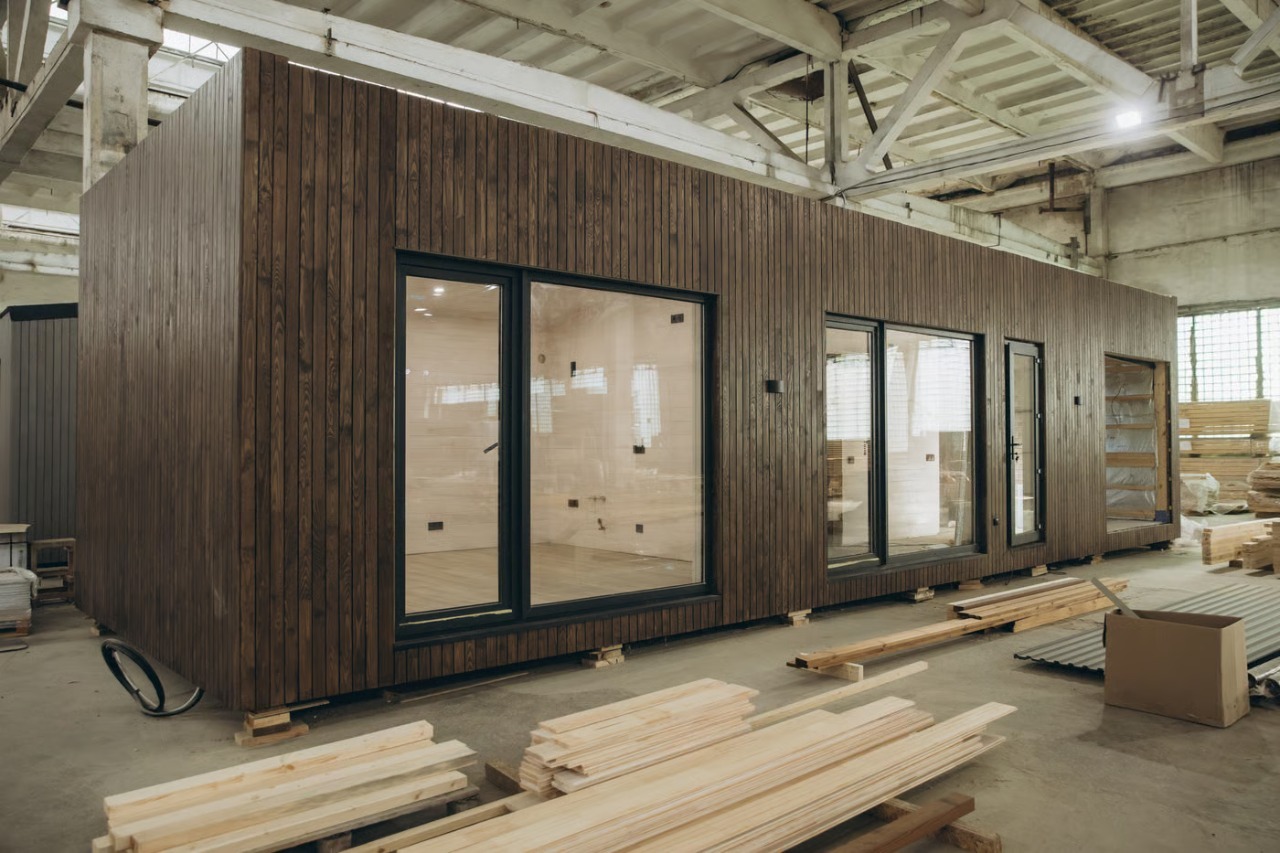
Prefabricated offices are office structures built off-site in a controlled manufacturing facility, then transported and assembled at your location. Unlike traditional construction, where walls are built and finished on-site, prefab office components — walls, floors, roofs, HVAC, wiring, and finishes — are manufactured and quality-checked ahead of time before installation.
There are several types of prefabricated office structures, including:
Modular Office Buildings — multi-module, permanent installations
Portable Office Units — temporary or semi-permanent workspaces
Container Offices — converted shipping containers customized for business use
Because these structures are built ahead of time, they can be installed significantly faster than site-built offices — often in a matter of weeks rather than months.
Why Businesses Are Choosing Prefabricated Offices
Prefabricated offices are no longer seen as temporary or low-quality alternatives — they’re a smart investment for organizations of all sizes. From startups and construction firms to schools, healthcare facilities, and corporate campuses, modular office solutions fit evolving workspace needs in ways traditional buildings simply can’t match.
Here’s why:
1. Rapid Installation and Deployment
One of the biggest advantages of prefab offices is the speed at which they can be completed. Because construction takes place off-site while site preparation is happening simultaneously, the final structure can be ready weeks faster than conventional construction.
This speed is invaluable for:
Businesses expanding quickly
Temporary project offices (e.g., construction sites)
Events, pop-ups, or seasonal workspaces
Renovations where interim office space is needed
2. Significant Cost Savings
Building an office the traditional way means higher labor costs, unpredictable material waste, and lengthy timelines. Prefabrication reduces these issues because components are mass-produced with efficiency in mind.
Cost benefits include:
Lower labor costs due to factory-based assembly
Reduced material waste from precision manufacturing
Decreased financing expenses due to quicker occupancy
Predictable budget forecasts with fewer on-site delays
3. Flexibility and Customization
Gone are the days when prefab meant cookie-cutter designs. Today’s modular offices are fully customizable in terms of:
Layout and floor plans
Window and door placement
Interiors, finishes, lighting, and fixtures
Energy-efficient systems and smart technology integrations
This means businesses can design workspaces that match both their functional needs and brand identity.
Because modular units can be expanded or reconfigured later, prefabricated offices grow with your business — without tearing down walls or undergoing expensive renovations.
4. Durability and Quality Control
Prefabricated offices are built in controlled factory conditions, which ensures consistent quality. Strict inspections and precision fabrication result in structures that are:
Strong and resilient
Weather-resistant
Built to code and safety standards
More durable than many people assume
In fact, modules are transported and installed in ways that require them to withstand movement — meaning their construction quality must be high enough to endure those stresses.
5. Sustainability and Eco-Friendly Construction
Sustainability is more than a buzzword — it’s a business priority. Prefabricated offices offer significant environmental advantages:
Reduced construction waste vs traditional builds
Efficient material usage due to precise manufacturing
Sustainable materials and designs, such as recycled steel and insulated panels
Energy-efficient systems that lower long-term utility costs
Many prefab offices are designed to accommodate sustainable technologies like solar panels and smart HVAC systems, further reducing energy consumption and carbon footprint.
6. Scalability for Changing Needs
Growth often means change — and prefab offices make it easy to scale up, down, or relocate:
Add extra modules when your team expands
Remove or relocate units when needs shift
Reconfigure layouts without major structural work
This flexibility makes prefab solutions ideal for businesses in dynamic industries like tech, construction, events, and disaster response.
7. Minimal Disruption to Operations
Traditional construction can significantly disrupt day-to-day work due to noise, labor, and site traffic. Prefab installation, on the other hand, minimizes disruption because most work is done off-site. On-site assembly tends to be quick and neat, allowing business operations to continue with minimal interruption.
8. Aesthetics and Modern Appeal
Today’s prefabricated offices are designed with aesthetics in mind just as much as functionality. Sleek lines, customizable finishes, and modern materials mean that modular office buildings look as professional and polished as traditional spaces — sometimes even more so.
Common Applications of Prefabricated Offices
Prefabricated offices are used across industries and for diverse purposes:
✔ On-site construction office headquarters
✔ Remote job site offices
✔ Temporary office spaces during renovations
✔ Satellite office branches
✔ Classrooms and training centers
✔ Guardhouses, ticket offices, and studios
✔ Backyard offices and home workspaces
They’re ideal for any situation where traditional construction may be too slow, too costly, or too disruptive.
Frequently Asked Questions
1. What is a prefabricated office?
A prefabricated office is a workspace constructed off-site in a factory and assembled on site, offering faster build times and high quality.
2. How long does it take to install a prefabricated office?
Installation time varies by size and design, but prefabricated offices are often ready in weeks, not months.
3. Are prefab offices durable?
Yes — they are built to meet or exceed building codes and are often weather-resistant and structurally sound due to controlled manufacturing quality.
4. Can prefabricated offices be customized?
Absolutely. Layouts, finishes, materials, and systems can be tailored to match business needs and branding.
5. Are prefab offices eco-friendly?
Yes — they reduce waste, often use sustainable materials, and can include energy-efficient systems.
6. Can they be relocated?
Many prefabricated office units can be dismantled and reassembled elsewhere, providing flexibility for future changes.
7. Are there financing options available?
Financing and leasing options vary by provider, but many suppliers offer flexible payment and financing plans.
8. Are prefab offices suitable for long-term use?
Yes — with proper maintenance, prefabricated offices can be used for both short- and long-term applications.
Conclusion
Whether you’re launching a new business, expanding an existing one, or seeking a flexible, cost-effective workspace solution, prefabricated offices deliver unmatched value. They combine speed, sustainability, durability, and design flexibility — making them an intelligent choice for projects of any scale.
Explore how prefabricated offices can benefit your next workspace project and experience the future of efficient office design — today.