
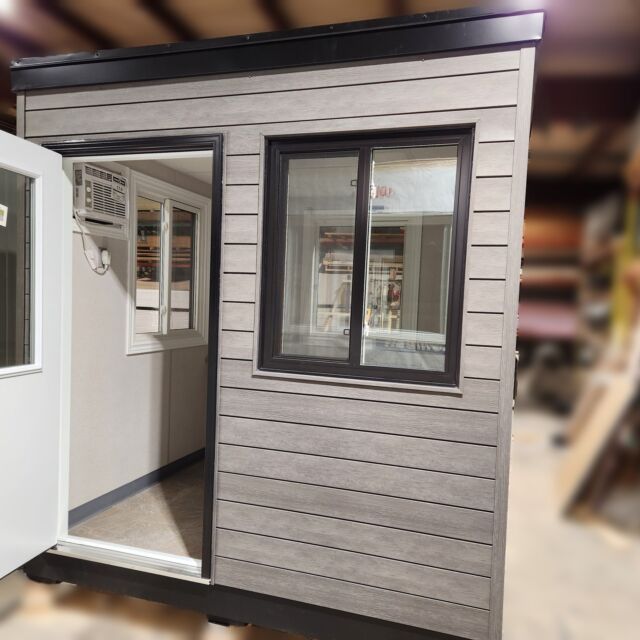
Across Canada, businesses and homeowners are rethinking how they use space. Rising construction costs, changing work habits, and the growth of remote work have made flexible building options more attractive than ever. A prefabricated office offers a practical, efficient solution for those who need extra workspace without the long timelines of traditional construction.
This guide explains how prefabricated offices work, why they are gaining popularity in Canada, and how to choose the right solution for your needs.
What Is a Prefabricated Office?
A prefabricated office is a building or workspace constructed off-site in a controlled factory environment and then delivered and installed at its final location. These structures are designed for efficiency, durability, and fast installation.
Unlike traditional builds that can take months, a prefabricated office can often be ready in a fraction of the time. Because the construction happens indoors, weather delays are minimized, and quality control is easier to maintain.
Companies such as Canadian Portable Structures provide prefabricated buildings that meet Canadian climate standards and building requirements.
Why Prefabricated Offices Are Growing in Canada
Canada’s climate, geography, and construction costs create unique challenges. Prefabricated solutions help address these issues.
1. Faster Project Timelines
Traditional construction projects can take several months or longer, especially during harsh winters. Prefabricated buildings are largely completed off-site, reducing on-site construction time.
2. Predictable Costs
Factory production helps reduce material waste and labour variability. This often leads to more predictable budgets compared to traditional builds.
3. All-Season Installation
Because most of the work is done in a controlled environment, installation can occur year-round with minimal disruption.
4. Flexible and Expandable Designs
Prefabricated offices can be designed for many uses:
Backyard home offices
Temporary site offices
Portable classrooms
Medical or administrative spaces
Remote work cabins
This flexibility makes them suitable for both residential and commercial applications.
Common Uses for a Prefabricated Office
Backyard Workspaces
With remote and hybrid work becoming more common, many Canadians want a quiet, dedicated workspace at home. A prefabricated office can create separation between work and personal life.
Construction and Industrial Sites
Portable buildings are widely used as site offices, meeting rooms, and break areas. They can be relocated as projects move.
Small Business Expansion
Retailers, service providers, and startups often need extra space quickly. A prefabricated office offers a cost-effective way to grow without major construction.
Key Features of Modern Prefabricated Offices
High-quality prefabricated buildings typically include:
Insulated walls and roofing suitable for Canadian climates
Energy-efficient windows and doors
Electrical and HVAC options
Durable exterior materials
Custom interior layouts
Many structures meet or exceed local building codes, making them suitable for long-term use.
Step-by-Step Guide: How to Choose the Right Prefabricated Office
Step 1: Define Your Purpose
Start by identifying how the space will be used.
Ask yourself:
Will it be a full-time workspace?
How many people will use it?
Do you need plumbing or specialized equipment?
What to do: List your must-have features before contacting suppliers.
What not to do: Avoid choosing a design based only on appearance without considering functionality.
Step 2: Check Local Regulations
Building codes and zoning rules vary across Canada.
What to do: Contact your municipality to confirm:
Permit requirements
Setback rules
Size limitations
What not to do: Do not assume a prefabricated office is exempt from permits.
Step 3: Evaluate Climate Requirements
Canada’s weather ranges from coastal rain to northern cold.
What to do: Choose a structure with:
Proper insulation
Weather-resistant materials
Heating and ventilation options
What not to do: Avoid lightweight structures that are not rated for local climate conditions.
Step 4: Compare Reputable Suppliers
Look for experienced providers such as Canadian Portable Structures, which specialize in prefabricated buildings designed for Canadian environments.
What to do:
Review past projects
Ask about warranties
Confirm compliance with local codes
What not to do: Do not choose a supplier based only on the lowest price.
Step 5: Plan Installation and Site Preparation
Even portable buildings need a proper foundation or base.
What to do:
Prepare a level surface
Arrange utility connections if required
Schedule delivery access
What not to do: Avoid last-minute site preparation, which can delay installation.
Emotional Reality: You’re Not Alone in Wanting a Better Workspace
Many people feel overwhelmed when they outgrow their current workspace. Whether you are working from a crowded dining table or trying to run a business from a small office, the frustration is real.
You are not the only one facing this challenge. Across Canada, homeowners and business owners are turning to prefabricated offices because they offer a practical way forward. They provide privacy, structure, and a sense of control over your environment.
A well-designed workspace can improve focus, reduce stress, and help create healthier boundaries between work and personal life.
Tips for Getting the Best Value
Choose a size that allows future growth.
Invest in proper insulation and ventilation.
Work with an established Canadian supplier.
Ask about customization options.
Consider long-term maintenance costs.
Why Choose Canadian Portable Structures
Canadian Portable Structures focuses on prefabricated buildings designed for Canadian conditions. Their solutions are built for durability, energy efficiency, and practical use across multiple industries.
By working with an experienced provider, you can reduce uncertainty and ensure your prefabricated office meets both functional and regulatory requirements.
Frequently Asked Questions
How long does it take to install a prefabricated office?
Installation time varies depending on size and customization. Many units can be delivered and installed within days once the site is prepared.
Do prefabricated offices require building permits in Canada?
In most cases, yes. Permit requirements depend on the province and municipality, so it is important to check local regulations.
Are prefabricated offices suitable for Canadian winters?
Yes, if they are designed with proper insulation, heating, and weather-resistant materials. Many suppliers offer structures specifically built for cold climates.
Can a prefabricated office be relocated?
Many portable buildings are designed to be moved. This makes them useful for construction sites, temporary offices, or changing business needs.
Are prefabricated offices customizable?
Yes. Most providers offer options for size, layout, insulation, windows, doors, electrical systems, and finishes.
Final Thoughts
A prefabricated office offers a practical, efficient way to create additional workspace in Canada. Whether you need a backyard studio, a portable site office, or a modular business space, prefabricated solutions provide speed, flexibility, and predictable costs.
By working with experienced providers like Canadian Portable Structures and following a clear planning process, you can create a workspace that meets your needs today and adapts to the future.