When planning a new structure, one of the most important decisions is choosing between prefabricated buildings and traditional construction. Each method has its own advantages, costs, and timelines. For homeowners and businesses looking for efficient, modern solutions, companies like Canadian Portable Structures offer innovative prefabricated options that are changing the way we build.
In this guide, we’ll break down the key differences, benefits, and considerations to help you make the right choice.
What Are Prefabricated Buildings?
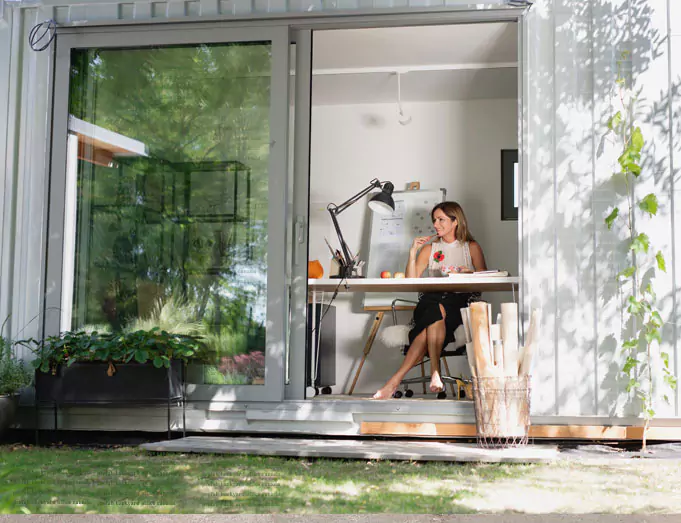
Prefabricated buildings, also known as modular or portable buildings, are structures manufactured off-site in a controlled environment and then transported to the final location for assembly. These buildings can be used for various purposes, including backyard studios, portable offices, mobile classrooms, and modular homes.
Key Features:
- Factory-built components
- Faster installation process
- Minimal on-site disruption
- Customizable designs
- High-quality materials
What Is Traditional Construction?
Traditional construction refers to the conventional method of building structures directly on-site from the ground up. This process involves multiple stages, including foundation work, framing, electrical installation, and finishing.
Key Features:
- Built entirely on-site
- Longer construction timelines
- Greater exposure to weather delays
- Highly customizable but time-intensive
Prefabricated Buildings vs Traditional Construction: Key Differences
1. Construction Time
Prefabricated buildings are significantly faster to complete since much of the work is done in a factory setting. On-site assembly can often be completed within days or weeks.
Traditional construction, on the other hand, can take several months or even longer depending on the complexity of the project.
2. Cost Efficiency
Prefabricated buildings are generally more cost-effective due to streamlined manufacturing processes and reduced labor costs.
Traditional construction often involves higher expenses due to:
- Longer labor hours
- Material waste
- Unexpected delays
3. Quality Control
With prefabricated construction, each component is built in a controlled environment, ensuring consistent quality and precision.
Traditional construction may face quality variations due to weather conditions and on-site challenges.
4. Flexibility and Customization
Both methods offer customization, but prefabricated buildings have evolved to provide a wide range of modern design options, layouts, and finishes.
Traditional construction allows complete flexibility but may require more time and budget to achieve specific designs.
5. Environmental Impact
Prefabricated buildings are considered more eco-friendly because they produce less waste and use materials more efficiently.
Traditional construction can generate more waste and often has a larger environmental footprint.
Benefits of Prefabricated Buildings
Choosing prefabricated structures from Canadian Portable Structures comes with several advantages:
Faster Project Completion
Ideal for businesses needing quick expansion or homeowners looking for immediate space solutions.
Cost-Effective Building Solutions
Lower labor and material costs make it a budget-friendly option.
Versatile Applications
Perfect for:
- Backyard offices
- Garden studios
- Portable classrooms
- Site offices
Minimal Disruption
Since most construction happens off-site, there’s less noise and mess at your location.
Modern and Durable Designs
Built with high-quality materials designed to last in various weather conditions.
When Should You Choose Traditional Construction?
Traditional construction may be a better choice if:
- You need a highly complex or large-scale structure
- You prefer fully customized architectural designs
- Timeline is not a major concern
When Are Prefabricated Buildings the Better Option?
Prefabricated buildings are ideal when:
- You need a quick and efficient building solution
- Budget is a priority
- You want a portable or modular structure
- You need a temporary or semi-permanent space
FAQs
1. Are prefabricated buildings durable?
Yes, prefabricated buildings are built using high-quality materials and engineered to withstand various environmental conditions, making them just as durable as traditional structures.
2. How long does it take to install a prefabricated building?
Installation can take anywhere from a few days to a few weeks, depending on the size and complexity of the structure.
3. Are prefabricated buildings customizable?
Absolutely. You can customize layout, size, finishes, insulation, and features to match your specific needs.
4. Do prefabricated buildings require permits?
Yes, in most cases permits are required. The requirements vary depending on your local regulations and the type of structure.
5. Can prefabricated buildings be relocated?
Many prefabricated structures are designed to be portable, making relocation easier compared to traditional buildings.
Conclusion
Both prefabricated buildings and traditional construction have their place in today’s construction landscape. However, for those seeking speed, efficiency, and cost savings, prefabricated solutions stand out as a modern and practical choice.
With innovative designs and flexible applications, Canadian Portable Structures provides high-quality prefabricated buildings that meet the evolving needs of homeowners and businesses alike. Whether you’re creating a backyard studio, expanding your workspace, or adding a functional structure to your property, prefabricated buildings offer a smart and efficient way forward.