In today’s fast-changing world, the demand for quick, cost-effective, and sustainable construction has never been greater. Whether for commercial, industrial, or residential purposes, prefabricated buildings have become one of Canada’s most trusted solutions. These structures are not only durable and versatile but also built with remarkable efficiency. Let’s explore what makes prefabricated buildings a smart choice for modern construction projects across Canada.
What Is a Prefabricated Building?
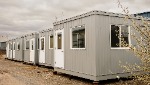
A prefabricated building, often referred to as a modular or prefab structure, is constructed in a controlled factory environment and later transported to the site for assembly. Unlike traditional on-site builds, which can take months or even years, prefabricated buildings are produced in sections or modules that fit together seamlessly.
This approach minimizes delays caused by weather, reduces waste, and ensures top-notch quality control. Every wall panel, roof truss, and frame is crafted with precision, using modern materials that meet strict Canadian building codes.
Why Prefabricated Buildings Are Revolutionizing Canadian Construction
The rise of prefabricated buildings in Canada isn’t a passing trend—it’s a transformation. Here’s why more businesses, developers, and organizations are turning to prefab construction:
1. Speed and Efficiency
Traditional construction can be slowed down by weather conditions, labor shortages, and on-site issues. Prefabricated buildings, however, are produced in a controlled environment, allowing simultaneous site preparation and manufacturing. This parallel workflow reduces construction time by up to 50%.
2. Superior Quality Control
Because prefabricated components are built in factories, every element undergoes rigorous testing and inspection. There’s less room for error, ensuring a consistent level of craftsmanship and compliance with national standards.
3. Sustainability and Waste Reduction
With the world shifting toward eco-friendly practices, prefab construction aligns perfectly with Canada’s sustainability goals. Factory manufacturing reduces material waste, energy use, and on-site pollution. Plus, many prefab structures can be relocated or reused, extending their life cycle.
4. Cost-Effective Construction
Prefabricated buildings offer a predictable budget and shorter timelines. The controlled production process minimizes costly delays and on-site labor expenses. For Canadian businesses, this means achieving faster ROI and reduced operational disruptions.
5. Versatility Across Applications
From office spaces and classrooms to warehouses and housing units, prefab buildings are incredibly versatile. They can be customized to meet specific aesthetic and functional needs, whether for a temporary solution or a permanent structure.
Applications of Prefabricated Buildings in Canada
Prefabricated construction has expanded far beyond temporary site offices or mobile classrooms. Modern designs can accommodate complex architectural needs while remaining flexible and mobile. Some of the most common uses include:
Commercial Offices: Prefab offices offer scalable solutions for businesses expanding their operations.
Industrial Facilities: Warehouses, storage spaces, and workshops can be constructed faster without sacrificing durability.
Educational Buildings: Schools and universities use prefabricated classrooms to meet sudden increases in enrollment.
Healthcare Units: Clinics and modular hospitals have become vital during emergencies, providing immediate, functional spaces.
Residential Buildings: Prefabricated homes and cabins deliver modern living spaces with affordable customization.
Canadian Portable Structures, a trusted name in the industry, provides high-quality prefabricated building solutions tailored to these applications, ensuring safety, comfort, and compliance.
The Prefabrication Process: From Design to Delivery
Understanding how prefab construction works helps appreciate its efficiency. The process typically includes the following steps:
Planning and Design: The building layout, size, and specifications are finalized using advanced 3D modeling tools.
Manufacturing: Components such as walls, floors, and roofs are fabricated in a climate-controlled facility using precision machinery.
Transportation: Finished modules are carefully transported to the project site.
Assembly: The on-site installation process is quick and efficient, with sections fitting together perfectly.
Finishing Touches: Electrical, plumbing, and interior work are completed, resulting in a fully functional structure ready for occupancy.
Each stage emphasizes quality, efficiency, and environmental responsibility—core values driving the prefab industry forward.
Benefits of Prefabricated Buildings for Canadian Businesses
For businesses across Canada, choosing a prefabricated building means saving time, money, and resources while maintaining flexibility. Here are a few additional benefits:
Scalability: Modular designs allow for easy expansion as your business grows.
Minimal Disruption: Faster installation reduces downtime, allowing operations to continue with minimal interruption.
Durability: Prefab structures are engineered to withstand Canada’s diverse climates, from heavy snow to coastal moisture.
Energy Efficiency: High-quality insulation and energy-saving materials reduce long-term operating costs.
Mobility: If your business needs to relocate, certain prefab units can be moved and reassembled elsewhere.
Why Prefabricated Buildings Are Perfect for Canadian Weather
Canada’s weather conditions—ranging from harsh winters to wet coastal regions—make prefab construction a logical choice. The materials used are designed to resist rust, corrosion, and temperature fluctuations. Insulated wall panels and advanced HVAC integration ensure comfort and energy efficiency year-round.
With sustainable construction practices and superior design, prefab buildings perform exceptionally well in every region—from British Columbia to Nova Scotia.
Canadian Portable Structures: Building the Future
When it comes to quality and reliability, Canadian Portable Structures stands as a trusted leader in prefabricated building solutions. Their experience in modular and portable structures ensures every project is built to the highest standards of performance and safety. Whether it’s a commercial office, classroom, or custom-designed facility, their team delivers tailored solutions that meet your timeline and budget.
Their commitment to innovation and sustainability continues to redefine construction across Canada—proving that modern prefab structures can be strong, stylish, and sustainable all at once.
Frequently Asked Questions
1. Are prefabricated buildings durable enough for Canada’s climate?
Yes, modern prefab buildings are engineered to withstand extreme temperatures, snow loads, and humidity. They meet or exceed Canadian building code requirements for strength and durability.
2. Can a prefabricated building be customized?
Absolutely. Prefabricated structures can be customized in layout, size, finishes, and even exterior appearance to match your brand or architectural preference.
3. How long does it take to complete a prefabricated building project? Depending on the size and design, most prefab projects can be completed in weeks rather than months. The factory-controlled production significantly reduces construction delays.
4. Are prefabricated buildings energy-efficient?
Yes, they are built with high-performance insulation and energy-efficient materials, leading to lower heating and cooling costs.
5. What’s the difference between modular and prefabricated buildings?
All modular buildings are prefabricated, but not all prefabricated structures are modular. “Modular” refers to pre-built sections designed for easy transport and assembly, while “prefab” can also include pre-made components like walls or trusses.
Final Thoughts
As Canada continues to embrace faster, smarter, and greener construction, prefabricated buildings are leading the way. They offer unmatched flexibility, cost savings, and sustainability—making them ideal for every sector from business to education. With trusted providers like Canadian Portable Structures, your next project can be delivered efficiently, without compromise on quality or design.