Modern businesses are searching for faster, smarter, and more flexible construction solutions that can adapt to changing operational needs. Traditional construction projects often involve long timelines, high labor costs, and unexpected delays. This is why prefabricated buildings have become a practical option for companies looking to create efficient workspaces without the complexity of conventional building methods.
Canadian Portable Structures provides innovative modular building solutions designed for commercial, industrial, educational, and residential applications. From portable offices and modular classrooms to construction site buildings and custom workspaces, prefabricated structures offer flexibility, durability, and convenience for organizations across Canada.
As industries continue to evolve, prefabricated modular buildings are transforming the way businesses expand their operations, manage temporary workspaces, and improve workplace efficiency.
What Are Prefabricated Buildings?
Prefabricated buildings are structures manufactured in sections or modules at an off-site facility before being transported and assembled at the final location. Unlike traditional construction, prefab buildings reduce on-site labor requirements and allow projects to be completed much faster.
These modular structures are commonly used for:
- Portable office buildings
- Construction site offices
- Modular classrooms
- Storage buildings
- Backyard offices
- Industrial workspaces
- Temporary commercial spaces
- Remote workforce accommodations
Prefabricated construction offers businesses greater flexibility while maintaining strong building standards and long-term performance.
Why Businesses Are Choosing Prefabricated Buildings
Faster Construction Timelines
One of the biggest advantages of prefabricated buildings is speed. Since modules are manufactured off-site while site preparation happens simultaneously, businesses can significantly reduce project completion times.
This allows companies to:
- Expand operations faster
- Reduce downtime
- Meet urgent workspace demands
- Improve project efficiency
Businesses that need immediate office space or temporary facilities often choose modular construction because of its quick installation process.
Cost-Effective Building Solutions
Traditional construction projects often come with fluctuating material costs and unexpected labor expenses. Prefabricated buildings help control costs through streamlined manufacturing processes and efficient material usage.
Benefits include:
- Reduced construction waste
- Lower labor costs
- Predictable project budgeting
- Minimal site disruption
- Reduced maintenance requirements
These savings make modular buildings an attractive solution for businesses seeking affordable commercial spaces.
The Flexibility of Modern Prefabricated Buildings
Portable Office Buildings
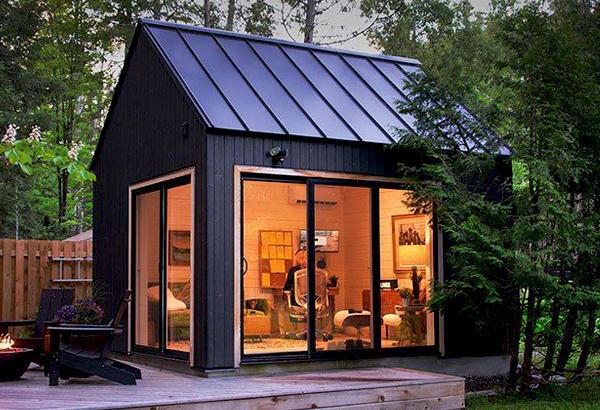
Portable office buildings provide businesses with professional work environments that can be relocated or expanded when needed. These offices are commonly used by construction companies, industrial operations, and growing businesses requiring temporary or permanent office space.
Features often include:
- Climate-controlled interiors
- Open workspace layouts
- Meeting rooms
- Electrical and networking systems
- Energy-efficient insulation
Portable offices help businesses maintain productivity while adapting to changing project demands.
Modular Workspaces for Growing Businesses
Modern modular workspaces are designed to support flexible business operations. Companies can customize layouts to fit their operational needs while maintaining a professional appearance.
Popular modular workspace solutions include:
- Open-plan offices
- Multi-room office structures
- Reception areas
- Training facilities
- Administrative spaces
Businesses benefit from scalable building solutions that can grow alongside company expansion.
Prefabricated Buildings for Education
Educational institutions frequently use prefabricated classrooms to accommodate increasing student populations and temporary learning spaces. These modular classrooms provide comfortable and functional environments for both students and educators.
Advantages include:
- Faster classroom expansion
- Reduced disruption on school grounds
- Flexible classroom configurations
- Durable and safe construction
Schools can quickly respond to changing enrollment demands with portable education buildings.
Durability and Long-Term Performance
Modern prefabricated buildings are engineered to withstand harsh weather conditions and daily operational use. Canadian Portable Structures designs modular buildings using durable materials that support long-term functionality and reliability.
Common durability features include:
- Steel-framed construction
- Weather-resistant exteriors
- High-performance insulation
- Energy-efficient windows
- Durable flooring systems
These features help businesses maintain efficient work environments while minimizing maintenance costs.
Sustainable Benefits of Prefabricated Construction
Sustainability has become an important factor in modern construction projects. Prefabricated buildings support eco-friendly construction practices through controlled manufacturing processes and efficient material management.
Environmental benefits include:
- Reduced construction waste
- Lower energy consumption
- Efficient transportation logistics
- Reusable building modules
- Improved energy efficiency
Many businesses choose prefab construction to support their sustainability goals while reducing environmental impact.
Industries That Benefit From Prefabricated Buildings
Many industries rely on modular construction to create practical and efficient workspaces.
Construction Industry
Construction companies use portable offices, lunchrooms, and storage buildings to support on-site operations.
Education Sector
Schools and colleges use modular classrooms and administrative buildings to accommodate growing educational needs.
Healthcare Facilities
Temporary healthcare offices and modular clinics provide flexible solutions for medical operations.
Commercial Businesses
Retail businesses and corporate organizations use prefabricated office spaces to expand quickly and efficiently.
Industrial Operations
Industrial facilities benefit from modular workspaces, guard houses, and storage buildings that support daily operations.
Why Choose Canadian Portable Structures
Canadian Portable Structures specializes in creating versatile prefabricated buildings designed for modern business needs. Their modular construction solutions combine functionality, mobility, and professional design to support industries across Canada.
Their services include:
- Portable office buildings
- Modular classrooms
- Construction site offices
- Backyard workspaces
- Guard houses
- Storage buildings
- Custom modular solutions
By focusing on quality craftsmanship and flexible designs, Canadian Portable Structures helps businesses create practical environments that improve productivity and operational efficiency.
Frequently Asked Questions
1. What are prefabricated buildings used for?
Prefabricated buildings are used for offices, classrooms, construction site facilities, storage spaces, healthcare buildings, and commercial workspaces. They offer flexible solutions for temporary and permanent applications.
2. Are prefabricated buildings durable?
Yes, modern prefabricated buildings are designed using durable materials and engineered construction methods that support long-term performance in different weather conditions.
3. How long does it take to install a prefabricated building?
Installation timelines vary depending on building size and customization, but prefab buildings are generally completed much faster than traditional construction projects.
4. Can modular buildings be customized?
Yes, modular buildings can be customized with different layouts, finishes, office configurations, insulation options, and interior features to meet business requirements.
5. Are prefabricated buildings cost-effective?
Prefabricated buildings help reduce labor costs, construction waste, and project delays, making them a cost-effective alternative to traditional construction methods.
Conclusion
Prefabricated buildings continue to reshape modern construction by offering businesses faster, more flexible, and cost-effective building solutions. From portable offices and modular classrooms to industrial workspaces and commercial facilities, these structures provide practical environments that support operational growth and efficiency.
Canadian Portable Structures delivers innovative modular building solutions designed to meet the changing needs of businesses and organizations across Canada. With durable construction, customizable designs, and efficient installation processes, prefabricated buildings remain a smart investment for companies looking to create scalable and functional workspaces for the future.