
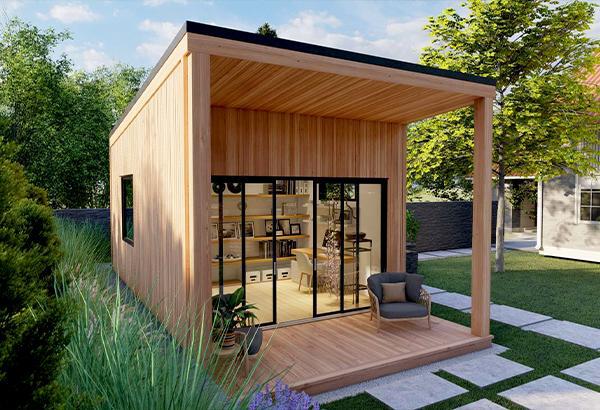
In recent years, backyard offices have gone from a niche idea to a mainstream solution for remote workers, entrepreneurs, freelancers, and home business owners alike. With the shift toward hybrid and fully remote work models, homeowners are increasingly investing in detached, purpose-built workspaces right in their backyards. These offices offer a host of benefits — from eliminating the daily commute to boosting productivity, privacy, comfort, and even long-term property value.
Whether you’re considering a prefab backyard office studio, a customized prefab pod, or you plan to build your own small office structure from scratch, this comprehensive guide will walk you through everything you need to know about backyard offices — from practical benefits and design tips to cost considerations and real-world use cases.
What Is a Backyard Office?
A backyard office is a stand-alone workspace constructed in your outdoor space, separate from your main house and traditional interior home office. Unlike a corner desk in your living room or bedroom, a backyard office gives you a dedicated environment designed specifically for work. These structures often come with insulation, electrical wiring, internet connectivity, natural lighting, and climate control — essentially everything you’d expect from a professional office, just without the commute.
Many homeowners choose to purchase prefabricated backyard office units from reputable manufacturers, which are delivered and installed in weeks rather than months. Others opt to convert existing sheds or build from scratch using modular designs tailored to their needs.
Why Backyard Offices Are So Popular
1. Eliminate the Commute
One of the most compelling benefits of backyard offices is the elimination of daily commute time. Instead of spending hours on the road or on public transport, you simply walk a few steps to your workspace. This not only saves time but also reduces stress and improves work-life balance — a major advantage in today’s fast-paced world.
2. Boost Productivity and Focus
Backyard offices create a separate, distraction-free zone that allows you to focus more effectively. The physical distance from household noise and interruptions is a game-changer for deep work, meetings, and creative tasks. A dedicated workspace signals your brain that it’s “work time,” helping you build better routines and maintain consistent productivity.
3. Tailored to Your Needs
Unlike a home office inside your house, a backyard office can be fully customized to your workflow. You choose the layout, lighting, insulation, storage, and technology setup. From minimalist designs that maximize natural light to fully outfitted interiors with built-in desks, shelving, and climate control, these offices adapt to your life.
4. Year-Round Comfort
Modern backyard offices are designed to be comfortable all year long. Insulation, HVAC systems, and double-glazed windows ensure the space stays warm in winter and cool in summer, enabling you to work in comfort regardless of the weather.
5. Increases Property Value
A well-built backyard office is not just a functional workspace — it’s also a long-term investment. Real estate experts often note that properties with dedicated workspaces are more appealing to buyers, potentially increasing your home’s resale value. Some estimates suggest that such additions can boost property value by several percent.
6. Flexible Use Cases
While remote work is the primary driver for backyard offices, the space can serve multiple purposes. Many homeowners use them as creative studios, music rooms, yoga retreats, guest suites, or even hobby spaces. Their multifunctional potential means the investment pays off even beyond your work life.
Design Considerations for Your Backyard Office
Building or buying a backyard office is exciting, but a little planning goes a long way. Here are key design elements to think about as you start your project:
Natural Lighting
Maximizing natural light through windows, skylights, and glass doors makes your workspace feel larger and more inviting. Good lighting also has positive effects on mood, focus, and eye health.
Sound Insulation
If you’re on calls or need deep concentration, consider sound-insulated walls or acoustical panels. Reducing outside noise creates a more professional atmosphere and helps maintain privacy.
Climate Control
A backyard office isn’t useful if it’s freezing in winter or sweltering in summer. Installing a mini-split HVAC system or at least reliable insulation and ventilation ensures a comfortable year-round environment.
Electrical and Internet Setup
A productive office needs reliable power and connectivity. Plan your power outlets, lighting circuits, and internet access — whether through a direct wired connection, mesh Wi-Fi extension, or dedicated router inside the office.
Interior Layout
Consider how you work. Do you need built-in desks, plenty of shelving, or space for dual monitors? Customize your layout to your workflow instead of squeezing your setup into a pre-existing design.
Building Options: Prefab vs. Custom
Prefabricated Backyard Offices
Prefab units are built in a factory and delivered ready to install, often with electrical and interior finishes already completed. These units dramatically reduce construction time and can be highly customizable in size, materials, and design features.
Advantages:
Faster installation (weeks not months)
Less disruption to your property
Often more cost-effective than custom builds
Built by professionals to high standards
Custom Builds
If you need a unique layout, specialized materials, or want to integrate the office seamlessly with your landscaping or home style, a custom build might be right for you. Custom structures offer maximum flexibility, though they typically take longer and involve more planning and permits.
Cost Considerations
The cost of setting up a backyard office varies widely based on size, features, and local building codes. Basic prefab units can start relatively affordably, while larger custom offices with full electrical, plumbing, and HVAC installations will cost more.
Typical factors influencing cost:
Size of office space
Insulation and climate control systems
Electrical and internet setup
Custom interior finishes
Foundation and site preparation
Permits and inspections
On average, small backyard office units may cost several thousand dollars, while premium, fully equipped workspaces can range significantly higher depending on specifications and upgrades.
Common Challenges to Prepare For
While backyard offices are empowering, buyers should be aware of a few common challenges:
Permits and Zoning Regulations: Some municipalities require building permits for detached structures. Double-check local codes before planning your office.
Utilities Setup: Running power and internet to a separate structure can add complexity and cost — plan this early.
Security: Detached offices require strong locks, perhaps cameras or motion detection, to keep equipment safe.
Real-Life Use Cases That Inspire
Backyard offices aren’t just for remote employees. People around the world are using them for:
Dual workspaces for couples or housemates
Home school classrooms
Yoga or meditation studios
Art or music production rooms
Guest suites or personal retreats
These versatile spaces prove that a backyard office isn’t just functional — it can enrich your lifestyle.
Final Thoughts
Whether you’re a full-time remote employee tired of kitchen table meetings or a small business owner looking for a professional space, backyard offices are reshaping how we work at home. They offer a blend of privacy, productivity, comfort, and long-term value that traditional home offices can rarely match. With thoughtful design, smart investments in insulation and utilities, and the right build approach, your backyard office can be a transformative addition to your property.
If you’re ready to take your home office to the next level, backyard offices might be the smartest workspace decision you make this year.